

Art Therapy for Anxious Children: Helping Kids Express Emotions
Anxiety: How Art Therapy Can Help Children Express Their Emotions
Anxiety is a common experience for children, manifesting in various ways such as excessive worry, irritability, restlessness, or physical symptoms like headaches and stomachaches. While traditional talk therapy is effective, some children struggle to articulate their feelings verbally. This is where art therapy becomes a powerful tool, offering an alternative pathway for emotional expression and healing.
Understanding Art Therapy
Art therapy is a therapeutic approach that integrates creative processes with psychological techniques to foster self-expression and emotional well-being. It’s not about artistic talent but about using art as a medium to explore feelings, develop self-awareness, manage behaviors, and enhance social skills. Through drawing, painting, sculpting, and other art forms, children can communicate thoughts and emotions they might find difficult to express with words.
Why Art Therapy Works for Children with Anxiety
Non-Verbal Expression: Children often lack the vocabulary to describe complex emotions. Art provides a safe, non-verbal outlet for expressing feelings like fear, sadness, or anger.
Reduces Stress: Engaging in creative activities can be inherently calming. The repetitive motions of coloring or the sensory experience of molding clay can help reduce physiological symptoms of anxiety.
Sense of Control: Anxiety often stems from feeling out of control. Art projects allow children to make choices and decisions, fostering a sense of autonomy and mastery.
Externalization of Emotions: Creating art helps children externalize their worries, making abstract feelings more concrete. This process can make it easier for therapists and caregivers to understand and address the child’s concerns.
Building Coping Skills: Through art therapy, children learn healthy coping mechanisms. They discover that creating art can be a go-to strategy for managing stress and anxiety.
Art Therapy Techniques for Managing Anxiety
Emotion Collages: Children create collages that represent different emotions using magazine cutouts, drawings, or words. This helps them identify and label their feelings.
Worry Boxes: A child decorates a box where they can “store” their worries by writing or drawing them on slips of paper. This symbolic act can help reduce the burden of anxious thoughts.
Mandala Drawing: The structured, repetitive patterns of mandalas can be soothing, promoting mindfulness and focus.
Feelings Portraits: Children draw self-portraits that reflect their internal emotional state, facilitating discussions about their experiences.
The Role of the Art Therapist
Art therapists are trained mental health professionals who guide children through the creative process, helping them explore and interpret their artwork. They create a safe, supportive environment where children feel comfortable expressing themselves without fear of judgment.
Incorporating Art Therapy at Home
Parents can integrate simple art activities at home to support their child’s emotional health:
Journaling with Drawings: Encourage your child to keep an art journal where they can draw or doodle about their day.
Stress Relief Art: Provide materials like clay, watercolors, or coloring books to use during stressful times.
Family Art Projects: Collaborative art activities can strengthen family bonds and open lines of communication.
Conclusion
Art therapy offers a unique, effective way for children with anxiety to express their emotions, build coping skills, and find relief from distressing feelings. At Niyyah Counseling PLLC, we recognize the transformative power of creative expression in mental health. If your child struggles with anxiety, consider how art therapy can be a part of their healing journey.

Neurodivergent Burnout: Why Masking Is Exhausting and How to Recover
Understanding Neuroatypical Burnout: Causes, Symptoms, and Strategies for Recovery
Neuroatypical burnout is a term increasingly used to describe the unique form of exhaustion experienced by individuals who are neurodivergent, including those with ADHD, autism, and other cognitive differences. Unlike typical burnout, which is often linked to work-related stress, neuroatypical burnout stems from the chronic effort of navigating environments and expectations that don’t align with one’s natural cognitive and emotional functioning. At Niyyah Counseling PLLC, we recognize the distinct challenges of neuroatypical burnout and the importance of tailored support.
What is Neuroatypical Burnout?
Neuroatypical burnout occurs when the mental, emotional, and physical resources required to function in a neurotypical world are consistently depleted. This can be due to prolonged masking (suppressing natural behaviors to fit societal norms), sensory overload, social exhaustion, and the constant effort to meet expectations that don’t accommodate neurodivergent needs.
Key Causes of Neuroatypical Burnout
Chronic Masking: Constantly modifying behavior to appear neurotypical can be mentally and emotionally exhausting.
Sensory Overload: Environments with excessive noise, lights, or other sensory stimuli can lead to heightened stress levels.
Unrealistic Expectations: Facing societal pressures to conform to standard productivity and social norms can create feelings of inadequacy and stress.
Lack of Support: Limited understanding and accommodations from workplaces, schools, and social networks exacerbate feelings of isolation.
Emotional Labor: Managing anxiety, self-doubt, and the need for self-advocacy can drain emotional reserves.
Symptoms of Neuroatypical Burnout
Emotional Exhaustion: Persistent feelings of overwhelm, irritability, and sadness.
Cognitive Fatigue: Difficulty concentrating, memory issues, and decision-making struggles.
Physical Symptoms: Headaches, fatigue, sleep disturbances, and changes in appetite.
Withdrawal: Avoidance of social interactions, reduced interest in activities, and increased isolation.
Loss of Skills: Temporary regression in coping mechanisms or executive functioning abilities.
Strategies for Managing and Recovering from Neuroatypical Burnout
Recognize and Validate the Experience:
Acknowledge that burnout is a legitimate response to chronic stress, not a personal failure.
Reduce Masking:
Where possible, create environments where you can be authentic without fear of judgment.
Sensory Regulation:
Identify sensory triggers and incorporate calming tools like noise-canceling headphones, fidget items, or controlled lighting.
Prioritize Rest:
Allow time for genuine rest, beyond just sleep. This includes downtime without the pressure to be productive.
Simplify and Delegate:
Reduce non-essential commitments and seek support from trusted individuals.
Therapeutic Support:
Engage in therapy with professionals who understand neurodivergence. Cognitive-behavioral strategies, mindfulness, and acceptance-based therapies can be beneficial.
Self-Compassion:
Practice kindness toward yourself. Understand that burnout is a sign you’ve been operating under unsustainable conditions, not a reflection of your worth.
Community Connection:
Connect with neurodivergent communities, both online and in-person, for shared experiences, support, and validation.
When to Seek Professional Help
If burnout leads to severe depression, anxiety, or a significant decline in daily functioning, professional intervention is crucial. At Niyyah Counseling PLLC, we offer specialized support for neurodivergent individuals, focusing on holistic, strengths-based approaches tailored to your unique needs.
Final Thoughts
Neuroatypical burnout is a real and challenging experience, but recovery is possible with the right strategies and support. Recognizing the signs, understanding the underlying causes, and seeking compassionate, informed care can pave the way toward healing and resilience. You deserve environments that honor your neurodivergent identity and support your well-being.

Building Resilience to Manage Chronic Anxiety
Anxiety: Building Resilience to Strengthen Your Mental Health
Anxiety is a natural response to stress, but when it becomes chronic or overwhelming, it can disrupt your ability to live a balanced, fulfilling life. At its core, anxiety often stems from a fear of uncertainty or a perceived inability to cope with challenging situations. However, resilience—our ability to adapt and recover in the face of adversity—can be cultivated to mitigate the impacts of anxiety and build mental strength.
Understanding Resilience
Resilience isn't about avoiding anxiety altogether or pretending challenges don't exist; it’s about facing difficulties with a constructive mindset and navigating through them with strength and adaptability. Think of resilience as a muscle: with intentional practice and effort, it grows stronger, enabling you to better manage stress and anxiety when they arise.
Practical Strategies to Strengthen Your Mental Health
Prioritize Self-Care Caring for your physical and emotional well-being lays the foundation for resilience. Get enough sleep, eat a balanced diet, and exercise regularly to maintain a healthy baseline. Equally important is carving out time for relaxation and activities that bring you joy, as these nurture your mental health and help prevent burnout.
Develop Emotional Awareness Understanding and acknowledging your emotions is key to managing anxiety. Mindfulness and meditation are powerful tools that encourage you to observe your thoughts and feelings without judgment. By cultivating self-awareness, you can better recognize triggers and respond to anxiety more effectively.
Set Realistic Goals Setting achievable, manageable goals gives you a sense of purpose and direction, which can be grounding in times of uncertainty. Break larger tasks into smaller, actionable steps to avoid feeling overwhelmed and celebrate progress along the way.
Build a Support Network Resilience is not a solo journey. Surround yourself with supportive and understanding individuals who can offer encouragement and a listening ear when needed. Whether it’s family, friends, or a mental health professional, leaning on others is a sign of strength, not weakness.
Reframe Negative Thoughts Anxiety often thrives on catastrophic thinking. Counter this by challenging negative thoughts and replacing them with balanced, rational perspectives. Cognitive Behavioral Therapy (CBT) techniques, such as thought journaling and reframing exercises, can be incredibly effective for this purpose.
Learn Stress-Management Techniques Practicing stress-reduction techniques can help you feel more equipped to handle anxiety-inducing situations. Deep breathing, progressive muscle relaxation, and grounding exercises are quick yet effective ways to calm your body and mind during moments of heightened stress.
Strengthen Your Problem-Solving Skills Resilience grows when you feel confident in your ability to tackle challenges. Practice identifying problems, brainstorming potential solutions, and evaluating the best course of action. Over time, this builds trust in your ability to handle uncertainty and adversity.
The Role of Professional Help
While self-help strategies are crucial, working with a mental health professional can significantly enhance your efforts to build resilience and manage anxiety. Therapy offers personalized guidance, support, and evidence-based tools to address your unique experiences. For individuals with persistent or severe anxiety, exploring options like Cognitive Behavioral Therapy (CBT), mindfulness-based therapy, or medication can be life-changing.
Embrace the Journey
Building resilience is not an overnight process—it’s a lifelong journey that requires patience, effort, and self-compassion. Celebrate small victories and remind yourself that setbacks are part of the growth process. By investing in your mental health and developing resilience, you’re not just managing anxiety—you’re creating a more balanced, empowered, and fulfilling life.
If you’re ready to take the next step in strengthening your mental health, the team at Niyyah Counseling PLLC is here to support you. Reach out today to begin your journey toward resilience and emotional well-being.
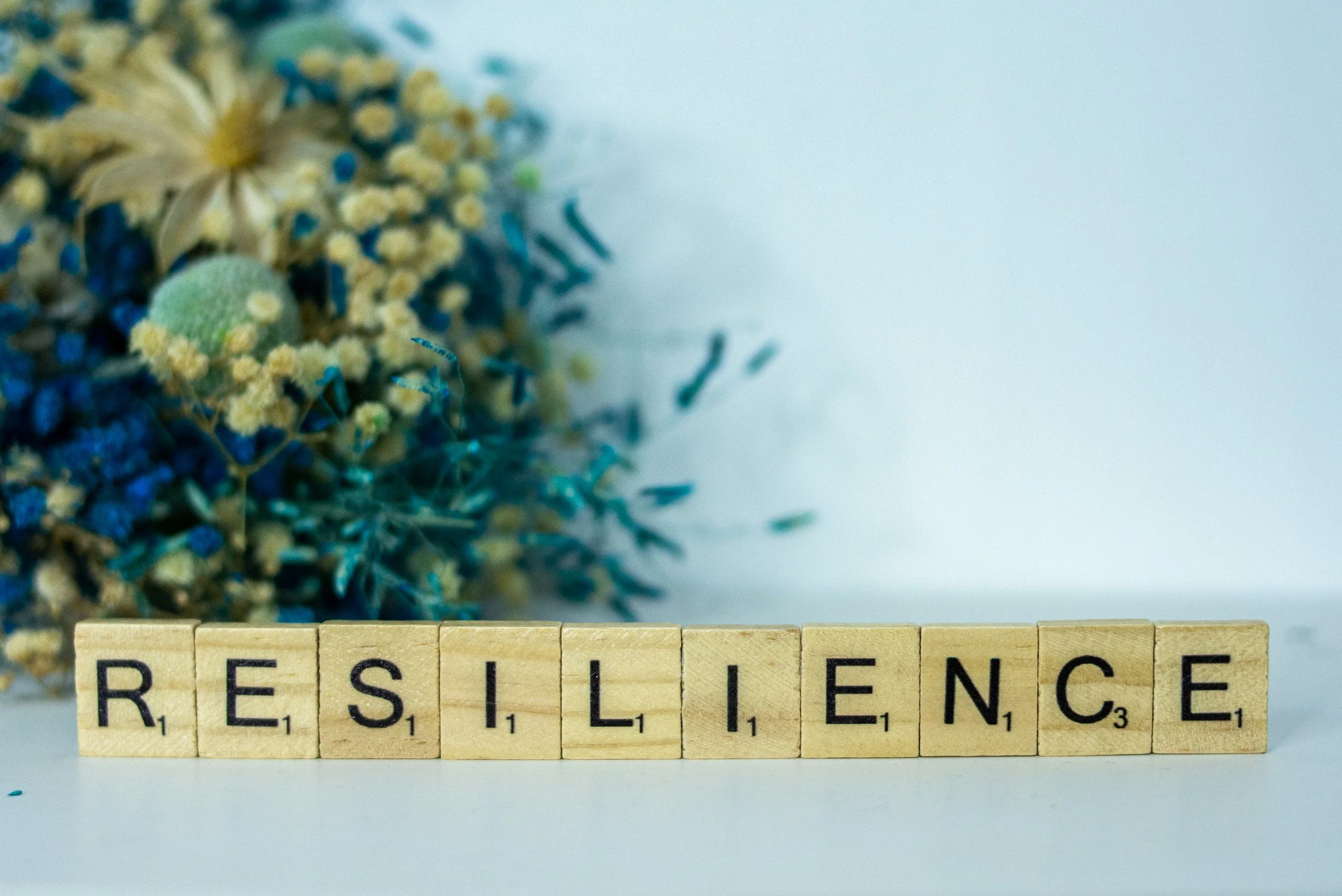
Building Community Resilience in Times of Crisis
Fostering Resilience in Your Community During Times of Social or Political Upheaval
In times of social or political upheaval, communities often feel strained and overwhelmed. The challenges can range from systemic injustices to sudden political shifts that unsettle the equilibrium of daily life. While these times are trying, they also present an opportunity to foster resilience and strengthen community bonds.
Resilience is more than just surviving adversity—it’s about thriving in the face of challenges. Here are ways to build resilience in your community, ensuring collective strength during turbulent times.
Understanding Community Resilience
Community resilience refers to the ability of a group to recover, adapt, and grow stronger when faced with adversity. It encompasses shared resources, trust, mutual support, and effective communication.
Resilient communities actively support their members' mental, emotional, and physical well-being while taking steps to address structural inequalities or societal challenges. It requires a balance of planning, compassion, and empowerment to navigate through tough times.
Steps to Foster Resilience
1. Foster Open Communication
Creating safe spaces where people can express their feelings, share ideas, and discuss concerns is crucial. During upheaval, misinformation and misunderstanding can quickly erode trust. Encourage open dialogue by:
Hosting community forums, in-person or virtual, for discussion and idea exchange.
Using clear and inclusive language to share information.
Providing updates on relevant issues through community newsletters, social media, or local organizations.
A transparent and empathetic approach builds trust and a sense of solidarity.
2. Cultivate Emotional Support Systems
Social and political turmoil can trigger anxiety, stress, or depression for many individuals. Resilient communities provide spaces for healing and emotional support. Here’s how you can help:
Encourage group activities like mindfulness sessions or workshops focused on mental health awareness.
Promote peer support groups where people can share experiences and coping strategies.
Share resources for professional counseling or mental health services, like Niyyah Counseling PLLC, to ensure people can access professional care when needed.
3. Build Networks of Practical Support
Practical support is just as vital as emotional support during times of upheaval. Mutual aid and shared resources can make a tremendous difference. Examples include:
Creating food pantries or donation drives for essential goods.
Organizing transportation networks for individuals who may face difficulties commuting.
Encouraging skill-sharing initiatives where community members teach or provide services to one another (e.g., tutoring, tech support).
By meeting tangible needs, communities create stability and empowerment.
4. Empower Through Education and Advocacy
Education is one of the most effective tools for combating fear and uncertainty. Empower your community by providing educational opportunities:
Host workshops or seminars on relevant issues to promote awareness and informed decision-making.
Share actionable ways for people to advocate for themselves and others, such as contacting local representatives or joining advocacy groups.
Equip individuals with tools for critical thinking and media literacy to combat misinformation.
When people understand the issues at hand and know how to respond effectively, they feel less powerless and more capable of contributing to positive change.
5. Celebrate Diversity and Strengthen Inclusion
Social and political upheavals often expose deep divides within communities. Building resilience requires efforts to bridge these divides through inclusivity and mutual understanding. Some ideas include:
Celebrating cultural, gender, and ethnic diversity through events or initiatives that highlight different experiences and traditions.
Amplifying marginalized voices by ensuring they have platforms to share their stories and perspectives.
Building coalitions across groups to find common goals and unite efforts toward shared solutions.
Unity in diversity is a cornerstone of resilience.
6. Focus on Future Planning
While it’s important to address current challenges, resilience also depends on long-term planning. By preparing for future crises, communities can reduce uncertainty and increase confidence in their ability to overcome obstacles.
Develop emergency response plans tailored to the community’s unique needs.
Train leaders within the community who can step up during crises and guide collective efforts.
Invest in infrastructure, such as reliable communication networks or community centers, that will support collective action in future events.
The Role of Compassion and Collaboration
Resilience isn’t about individual survival—it’s about collective well-being. Compassion and collaboration should underpin all efforts to foster resilience. This means:
Showing empathy for those facing hardships.
Encouraging collaboration instead of competition within the community.
Valuing everyone’s contributions, no matter how small they may seem.
By coming together and recognizing each other’s humanity, communities can create strong, lasting bonds that withstand even the most turbulent times.
Conclusion
Social and political upheaval can feel overwhelming, but it also serves as a call to action. Communities that embrace open communication, mutual support, and forward-thinking strategies emerge stronger and more unified. Remember, resilience is built step by step, with the contributions of every individual making a difference.
For support and guidance on fostering resilience in your community or personal life, contact Niyyah Counseling PLLC. Together, we can weather the storms and build brighter tomorrows.

Navigating Gender Identity Questions with Respect and Inclusion
Navigating Gender Identity Questions and Assumptions in Social Settings
In today’s world, conversations about identity have become more commonplace and, often, necessary. Discussing topics related to gender identity, however, can still feel awkward or challenging in certain social situations. Whether you're striving to be an ally, navigating questions yourself, or fostering inclusive spaces, understanding how to handle these interactions with sensitivity and respect is crucial.
Understanding the Basics of Gender Identity
Before diving into the nuances of social interactions, it helps to understand what gender identity is. Gender identity refers to an individual’s deeply held sense of their gender, which may or may not align with the sex assigned at birth. Terms like transgender, nonbinary, cisgender, and genderqueer help people describe and articulate their gender experience.
Knowing the language is essential, but so is recognizing that gender identity is personal. It’s not your job to interrogate someone’s identity or demand explanations for how they identify. Instead, your focus should be on respect, openness, and trust.
Handling Questions About Gender Identity
1. Ask Yourself: Why Do I Need to Know?
Before you ask someone a question about their gender identity, pause to reflect. Is it necessary to the conversation? Are you genuinely curious, or might your question invade their privacy?
Not all questions are inherently harmful, but the intent and timing matter. Strive to create space for others to share information on their terms, without pressure.
2. Practice Thoughtful Listening
If someone discloses something about their gender identity, respond with curiosity, empathy, and respect. For example, if someone says they use “they/them” pronouns, you can say, “Thank you for sharing. I’ll make sure to use the right pronouns.”
Listen without rushing to “fix” or explain their experience. Being present is often the most supportive thing you can do.
3. Steer Clear of Intrusive Questions
Questions about a person’s body, medical history, or the “before” of their gender identity are inappropriate unless you have a close relationship and the individual has opened the door to such discussions. Avoid questions like:
“What were you born as?”
“Have you had surgery?”
Instead, stick to affirming statements that convey respect for their identity.
4. Apologize If You Misstep
Everyone makes mistakes, especially when adjusting to new terminologies and concepts. If you accidentally use the wrong pronoun or make an incorrect assumption, acknowledge the mistake briefly, apologize, and move forward. For example:
Incorrect: “He is over there!”
Correction: “Sorry, I mean they are over there.”
Lingering on your error may make the other person feel obligated to comfort you.
Responding to Gender Identity Assumptions in Social Settings
If someone assumes or questions your gender identity in a way that makes you uncomfortable, know that you have options for how to respond. Here are a few approaches:
1. Redirect the Conversation
If you’re caught off guard or don’t feel like engaging deeply, you can redirect with a simple statement like, “I’d rather talk about something else,” or use humor if it feels appropriate.
2. Use It as a Teaching Moment
Sometimes, addressing the assumption head-on can help dismantle biases and educate others. For instance, you could say, “Actually, I use she/they pronouns,” and explain what that means if the person is receptive.
3. Set Boundaries
Setting boundaries is essential for your emotional well-being. If questions feel invasive or disrespectful, it’s okay to say, “That’s personal, and I’d prefer not to discuss it.”
Creating Inclusive Spaces
Whether you’re hosting an event, managing a workplace, or simply hanging out with friends, small changes can make a significant impact in creating environments where everyone feels safe and respected.
Normalize Sharing Pronouns: Introduce yourself with your pronouns (“Hi, I’m Alex, and I use they/them pronouns”). This practice helps reduce assumptions and encourages others to do the same.
Avoid Gendered Language: Use inclusive phrases like “everyone” instead of “ladies and gentlemen.” Small language adjustments signal respect for all gender identities.
Speak Up: If you hear someone make an offensive or uninformed remark, gently intervene. Say something like, “Actually, not everyone identifies that way, and it’s important we respect that.”
Final Thoughts
Navigating questions and assumptions about gender identity requires empathy, self-awareness, and a commitment to ongoing learning. While mistakes may happen, leading with respect and humility goes a long way in fostering meaningful connections. As society continues to evolve in understanding the spectrum of identities, your efforts to handle these conversations with care can make all the difference.
For more insights on fostering inclusivity and improving social dynamics, visit Niyyah Counseling PLLC.

Why Daily Routines Support Children’s Emotional Stability
Building Healthy Routines for Your Child: Why Consistency Matters
Children thrive in environments that are predictable, structured, and nurturing. Developing healthy routines not only provides stability but also fosters emotional, social, and cognitive growth. As parents, building and maintaining consistent routines can positively impact your child’s well-being, setting the foundation for lifelong habits.
The Importance of Routine
Routines are more than just schedules. They create a sense of security and help children understand what to expect, which is essential for their emotional and psychological development. Here’s why routines matter:
Promote Emotional Stability
Children feel safer when they know what to expect. Routines reduce anxiety and help children navigate the world with confidence, as predictable patterns provide reassurance.
Encourage Independence
Consistent routines teach children to anticipate and take ownership of daily tasks, such as brushing their teeth, completing homework, or preparing for bed. Over time, this builds self-discipline and responsibility.
Strengthen Parent-Child Relationships
Shared routines create opportunities for quality time, communication, and bonding. Regular bedtime stories, family meals, or weekly activities build connections and trust within the family.
Support Academic Success
Structured routines include time for homework and learning, helping children prioritize their education. Consistency ensures that tasks don’t feel overwhelming and encourages effective time management skills.
Encourage Healthy Habits
Routines reinforce healthy behaviors, from regular exercise and balanced meals to adequate sleep. When these habits are established early, they are more likely to continue into adulthood.
Key Elements of a Healthy Routine
Building a well-rounded routine doesn’t have to be complicated. Focus on the following areas:
Morning Routine
Establish a predictable start to each day. This could include waking up at the same time, brushing teeth, getting dressed, eating breakfast, and preparing for school or daycare.
Mealtime Structure
Consistent meal and snack times help children maintain energy levels and regulate hunger. Eating together as a family also encourages healthy eating habits and strengthens family bonds.
Learning and Homework Time
Dedicate time for academic activities in a quiet, distraction-free environment. Ensure children have the tools they need and offer support when necessary.
Physical Activity
Incorporate daily movement through play, sports, or walks. Physical activity promotes physical health, reduces stress, and improves focus.
Bedtime Routine
Consistent bedtimes and pre-sleep activities, such as reading or quiet play, signal to children that it’s time to wind down. Ensuring adequate sleep is crucial for growth, mood regulation, and concentration.
Tips for Establishing and Maintaining Routines
Start Small
Introduce one or two routines at a time, such as a bedtime ritual or morning checklist. Gradual changes are easier for both parents and children to adopt.
Be Consistent but Flexible
While consistency is key, it’s also important to adapt routines to accommodate special events or unexpected changes. Flexibility prevents routines from feeling rigid or restrictive.
Make it Enjoyable
Engage your child by turning routines into fun, interactive activities. For example, play their favorite song during cleanup time or make bedtime stories a shared adventure.
Model the Behavior
Children learn by observing their parents. Demonstrate commitment to routines by following your own patterns consistently.
Involve Your Child
Let your child participate in creating routines. This could mean choosing which book to read at bedtime or planning a weekend schedule. Giving them a say increases their buy-in and enthusiasm.
Provide Positive Reinforcement
Celebrate successes, whether it’s remembering to pack a backpack or brushing teeth without a reminder. Positive reinforcement encourages continued participation in routines.
How Consistency Shapes Long-Term Success
Children raised in structured environments tend to feel more confident, responsible, and prepared to face challenges. They develop skills like time management, adaptability, and self-control, which serve them throughout their lives. Moreover, routines foster an intrinsic sense of stability, helping children navigate the ups and downs of growing up with resilience.
Final Thoughts
Establishing healthy routines may take time and patience, but the benefits for your child’s emotional and developmental well-being are immense. At Niyyah Counseling PLLC, we understand the importance of family dynamics and can support you in creating structures that work for your household. Contact us today to learn more about fostering healthy habits and routines for your child’s success.

How Couples Can Handle Jealousy Without Damaging Trust
Couples: How to Navigate Jealousy in a Relationship Without Letting It Take Over
Jealousy is a common emotion that can surface in any relationship. While it’s natural to feel jealous occasionally, when it becomes a recurring or overwhelming presence, it can harm trust and intimacy. The key to maintaining a healthy relationship isn’t avoiding jealousy entirely but learning how to address and navigate it effectively.
Understanding Jealousy
Jealousy often stems from fear—fear of losing your partner, feeling inadequate, or comparing yourself to others. It can also arise from past experiences, unresolved insecurities, or unmet needs in the relationship. By identifying the root causes of jealousy, you can begin to manage it constructively and prevent it from taking over.
Strategies to Navigate Jealousy
Acknowledge Your Feelings
The first step in managing jealousy is recognizing and admitting it to yourself. Suppressing these emotions can lead to resentment or misdirected anger. Instead, acknowledge your feelings without judgment and seek to understand where they’re coming from.
Communicate Openly and Honestly
Open communication is vital in addressing jealousy. Share your feelings with your partner in a non-accusatory manner. Use “I” statements, such as “I feel insecure when…,” to express your emotions and encourage a collaborative conversation rather than a defensive response.
Build Trust
Trust is the foundation of any healthy relationship. Strengthen trust by being reliable, honest, and transparent with each other. If past experiences have caused trust issues, consider working together to rebuild confidence through consistent actions and patience.
Focus on Self-Awareness
Reflecting on your own insecurities or triggers can help you separate your feelings of jealousy from your partner’s actions. Ask yourself questions like, “Am I reacting to something my partner did, or is this stemming from my own fears?”
Practice Reassurance
If your partner is experiencing jealousy, offer reassurance and understanding. Small gestures like expressing gratitude, showing affection, or affirming your commitment can go a long way in reducing feelings of insecurity.
Set Healthy Boundaries
Clear boundaries can help both partners feel secure and respected. Discuss what is acceptable and unacceptable in your relationship and work together to honor these agreements. This mutual understanding can minimize misunderstandings and reduce jealousy.
Avoid Comparison
In today’s social media-driven world, comparing your relationship to others can fuel jealousy and insecurity. Remember that online portrayals are often curated highlights and not a complete picture. Focus on your relationship’s unique strengths and values instead of comparing it to others.
Seek Support When Needed
If jealousy becomes overwhelming, seeking support from a therapist can help. A professional can assist you in identifying patterns, improving communication, and building coping strategies to navigate jealousy in a healthy way.
Transforming Jealousy into Growth
When addressed thoughtfully, jealousy can become an opportunity for growth—both individually and as a couple. Here’s how:
Strengthen Emotional Connection: Honest discussions about jealousy can deepen understanding and empathy between partners.
Promote Self-Improvement: Jealousy often highlights areas where personal growth is needed, such as building self-confidence or addressing past wounds.
Enhance Relationship Resilience: Successfully navigating challenges like jealousy strengthens the bond and equips the relationship to handle future difficulties.
The Bottom Line
Jealousy doesn’t have to take over your relationship. By approaching it with honesty, self-awareness, and a commitment to growth, you can prevent it from creating distance and instead use it as a tool to strengthen your connection.
At Niyyah Counseling PLLC, we’re here to support couples in fostering healthy communication and emotional balance. If jealousy is affecting your relationship, reach out to us today. Together, we can work toward building trust, understanding, and lasting love.

Generational Trauma and Emotional Numbness: Reconnecting With What You Feel
Generational Trauma: The Link Between Trauma and Emotional Numbness
Generational trauma, also known as intergenerational or transgenerational trauma, refers to the transfer of traumatic experiences and their emotional, psychological, and behavioral impacts from one generation to the next. Often unspoken and unacknowledged, generational trauma can manifest in subtle but profound ways, shaping how individuals respond to emotions, relationships, and life’s challenges. One significant outcome of generational trauma is emotional numbness—a protective mechanism that can leave individuals feeling disconnected from their emotions and from those around them.
Understanding Generational Trauma
Trauma doesn’t always end with the person who initially experienced it. Whether rooted in historical injustices, systemic oppression, or familial patterns of abuse, trauma can leave an indelible imprint on subsequent generations. Research suggests that this transfer happens through various pathways, including:
Parenting Styles: Parents or caregivers who have experienced trauma may inadvertently pass on unresolved emotional responses through overprotectiveness, emotional withdrawal, or inconsistent caregiving.
Behavioral Patterns: Learned coping mechanisms such as avoidance, hypervigilance, or aggression can be transmitted from parent to child.
Biological Mechanisms: Studies in epigenetics show that trauma can lead to changes in how genes are expressed, potentially impacting stress responses in future generations.
While these pathways are complex, they reveal how trauma’s ripple effects can extend far beyond the initial event.
Emotional Numbness as a Response to Trauma
Emotional numbness is a common coping mechanism for individuals exposed to trauma. It often arises as a means of survival, allowing someone to avoid overwhelming emotional pain. Signs of emotional numbness include:
Difficulty experiencing joy, sadness, or anger.
Feeling detached from others and oneself.
A sense of being "shut down" emotionally.
Avoidance of situations or conversations that might trigger difficult emotions.
In the context of generational trauma, emotional numbness may become normalized within families. A parent who grew up suppressing their feelings might unintentionally model this behavior, teaching their children to do the same. Over time, this cycle perpetuates emotional disconnection across generations.
The Link Between Generational Trauma and Emotional Numbness
Generational trauma and emotional numbness are interconnected through the ways families and communities respond to unresolved pain. Here are some key links:
Unprocessed Pain and Silence Families affected by trauma may avoid discussing their experiences, often due to shame or a desire to protect future generations. However, this silence can leave children with an underlying sense of tension or unresolved grief, fostering emotional suppression.
Survival over Emotional Expression In environments where survival takes precedence—such as those shaped by war, poverty, or systemic oppression—emotional vulnerability is often seen as a liability. This mindset can be passed down, leading to a culture of emotional numbness.
Inherited Stress Responses Trauma impacts the brain’s stress-response system, making it harder to regulate emotions. These difficulties can be transmitted biologically or behaviorally, creating patterns of avoidance or emotional shutdown in subsequent generations.
Healing from Generational Trauma and Emotional Numbness
Breaking the cycle of generational trauma and emotional numbness requires a conscious effort to confront and process unresolved emotions. Here are steps toward healing:
Acknowledge the Trauma Recognizing the presence of generational trauma is the first step. This may involve exploring family histories, reflecting on patterns, and understanding how past experiences influence present dynamics.
Seek Therapy Therapy provides a safe space to process trauma and develop emotional awareness. Approaches such as trauma-focused Cognitive Behavioral Therapy (CBT), Eye Movement Desensitization and Reprocessing (EMDR), or family therapy can be particularly effective.
Cultivate Emotional Awareness Reconnecting with emotions often requires patience and practice. Techniques like journaling, mindfulness, or grounding exercises can help individuals identify and process their feelings.
Foster Open Communication Breaking the cycle involves creating a culture of openness and emotional expression. Encouraging conversations about feelings and normalizing vulnerability can help dissolve patterns of numbness.
Build Resilience Across Generations Supporting children and future generations in developing healthy coping mechanisms can prevent the transmission of trauma. This includes teaching emotional regulation, fostering self-compassion, and promoting a sense of safety and stability.
Moving Forward
The legacy of generational trauma is profound, but it does not have to define the future. With awareness, intention, and support, it is possible to heal, reconnect with emotions, and create a more nurturing environment for yourself and those who come after you.
At Niyyah Counseling PLLC, we are committed to helping individuals and families address the impact of generational trauma and find paths to healing. Contact us today to begin your journey toward emotional connection and resilience.

Long-Term Strategies for Managing Chronic Depression
Depression: Long-Term Treatment Strategies for Chronic Depression
Chronic depression, also known as persistent depressive disorder (PDD) or dysthymia, is a condition characterized by prolonged periods of low mood and other depressive symptoms that persist for at least two years. While it may not feel as intense as major depressive episodes, the long-lasting nature of chronic depression can significantly affect one’s quality of life. The good news is that long-term treatment strategies can help you manage symptoms and regain a sense of balance and fulfillment.
Understanding Chronic Depression
Before diving into treatment strategies, it’s essential to understand the unique nature of chronic depression. Individuals with PDD often experience:
A persistent feeling of sadness or emptiness.
Low self-esteem and feelings of inadequacy.
Fatigue or lack of energy.
Difficulty concentrating or making decisions.
Changes in sleep patterns (insomnia or excessive sleeping).
Appetite changes (overeating or poor appetite).
Although symptoms may not be as severe as major depressive disorder (MDD), their persistence makes chronic depression particularly challenging. Treatment typically requires a multi-faceted approach tailored to an individual’s needs.
Long-Term Treatment Strategies for Chronic Depression
Therapy as a Cornerstone of Care
Cognitive Behavioral Therapy (CBT): One of the most effective treatments for chronic depression, CBT helps individuals identify and change negative thought patterns and behaviors.
Interpersonal Therapy (IPT): Focused on improving interpersonal relationships and communication, IPT addresses social issues that may contribute to depression.
Psychodynamic Therapy: This therapy helps individuals explore unresolved past experiences that might impact current emotional well-being.
Therapy often plays a long-term role in managing depression, offering a safe space to explore challenges and develop healthier coping mechanisms.
Medication Management For many individuals with chronic depression, medication can be an essential part of treatment. Common options include:
Antidepressants: Selective serotonin reuptake inhibitors (SSRIs) and serotonin-norepinephrine reuptake inhibitors (SNRIs) are commonly prescribed for their efficacy in managing depressive symptoms.
Augmentation Strategies: For those who do not respond well to standard antidepressants, augmenting with other medications (e.g., mood stabilizers or atypical antipsychotics) can be beneficial.
Finding the right medication often requires time and collaboration with a healthcare provider to balance effectiveness and side effects.
Lifestyle Modifications Lifestyle changes are powerful tools for managing chronic depression. Here are key areas to focus on:
Exercise: Regular physical activity increases endorphin levels, improves mood, and enhances overall well-being.
Nutrition: Eating a balanced diet with plenty of fruits, vegetables, lean proteins, and whole grains can have a positive effect on mood and energy levels.
Sleep Hygiene: Maintaining a consistent sleep schedule and creating a relaxing bedtime routine can help combat the sleep disturbances often associated with depression.
Social Support Chronic depression can lead to feelings of isolation, making social support crucial. Building a supportive network of friends, family, or a support group can provide encouragement and reduce feelings of loneliness. Participating in group therapy or peer support programs can also help individuals connect with others who share similar experiences.
Mindfulness and Stress Reduction Mindfulness practices, such as meditation, yoga, or deep-breathing exercises, can improve emotional regulation and reduce stress. Mindfulness-Based Cognitive Therapy (MBCT) combines mindfulness techniques with cognitive strategies to prevent depression relapses.
Setting Realistic Goals Managing chronic depression often involves setting achievable, realistic goals. Small, incremental progress can help individuals regain a sense of accomplishment and purpose. Breaking tasks into manageable steps reduces overwhelm and builds confidence.
Consideration of Alternative Treatments For those who have not found relief with traditional methods, exploring alternative treatments may be worthwhile:
Transcranial Magnetic Stimulation (TMS): A non-invasive procedure that uses magnetic fields to stimulate nerve cells in the brain.
Electroconvulsive Therapy (ECT): Used in severe cases, ECT can be highly effective for treatment-resistant depression.
Emerging Treatments: New approaches, such as ketamine therapy or psychedelics under professional supervision, are being researched for their potential in treating chronic depression.
The Importance of Consistency and Patience
Chronic depression requires long-term management and consistent effort. It’s important to remember that progress may be gradual, and setbacks are part of the process. Building resilience, practicing self-compassion, and seeking professional guidance can make a significant difference in the recovery journey.
At Niyyah Counseling PLLC, we understand the complexities of chronic depression and are committed to helping you find lasting solutions. If you or someone you love is struggling, don’t hesitate to reach out. Let us help you take the first step toward healing and a brighter future.

Current Events: Supporting your kids through uncertain times: how to help them process current events
Supporting Your Kids Through Uncertain Times: Helping Them Process Current Events
Uncertain times can be challenging for everyone, but they can feel especially overwhelming for children and teens. Whether it’s a global pandemic, economic instability, or social unrest, current events can evoke fear, confusion, and anxiety in young minds. As a parent, you have a vital role in helping your children navigate these turbulent periods with resilience and understanding. Here are practical ways to support your kids through uncertain times and help them process the world around them.
1. Create a Safe Space for Open Conversations
Encourage your kids to share their thoughts and feelings about current events. Listen to them with empathy, validating their emotions and addressing their concerns without judgment.
- Tip: Use open-ended questions like, “What have you heard about this?” or “How are you feeling about what’s happening?” to start the conversation.
- Avoid: Dismissing their fears or overloading them with unnecessary details that may heighten anxiety.
2. Be Honest and Age-Appropriate
Children and teens need accurate information, but it’s essential to tailor your explanations to their age and developmental level.
- Young children: Offer simple, reassuring explanations. Focus on what’s being done to keep them safe.
- Teens: Provide more nuanced information and encourage critical thinking. Discuss reliable sources and teach them how to evaluate information.
3. Model Calm and Confidence
Kids often look to their parents for cues on how to respond to stressful situations. Modeling calm and confidence, even when you feel uncertain yourself, can help them feel more secure.
- Tip: Share how you’re managing your own feelings in healthy ways, such as practicing mindfulness or focusing on problem-solving.
4. Limit Exposure to Distressing Media
Constant exposure to negative news can intensify fear and anxiety. Monitor your child’s media consumption and establish boundaries around how much news they watch or read.
- Tip: Balance discussions about current events with positive news or uplifting stories to provide hope and perspective.
5. Encourage Healthy Emotional Expression
Uncertain times can stir up a range of emotions, from sadness and frustration to anger and fear. Help your children identify and express these feelings in healthy ways.
- Tip: Encourage journaling, drawing, or talking as outlets for their emotions. Teach them relaxation techniques like deep breathing or progressive muscle relaxation.
6. Stick to Routines Where Possible
Routines provide a sense of stability and normalcy during chaotic times. Maintaining regular schedules for meals, bedtime, and schoolwork can help your children feel grounded.
- Tip: While flexibility is important, try to keep some consistent elements in their day-to-day life to create a comforting structure.
7. Focus on What You Can Control
Uncertainty can make kids feel powerless. Shift their focus to things they can control, like helping others, taking care of their health, or setting small personal goals.
- Tip: Encourage activities like writing thank-you notes, donating to a local cause, or participating in family projects that foster a sense of agency and purpose.
8. Seek Support When Needed
If your child struggles significantly with processing current events, professional support can make a difference. Therapy provides a safe space for kids to express their emotions and develop coping strategies.
- Tip: Look for counselors experienced in working with children and teens. A therapist can help them build resilience and manage anxiety effectively.
9. Practice Hope and Positivity
While it’s important to acknowledge challenges, emphasize stories of resilience, hope, and progress. Highlight how individuals and communities work together to overcome adversity.
- Tip: Share personal or historical examples of how people have navigated tough times and come out stronger.
Final Thoughts
Supporting your kids through uncertain times is about providing a balance of honesty, reassurance, and stability. By fostering open communication, modeling healthy coping mechanisms, and helping them focus on hope and action, you equip your children with the tools they need to thrive, even in the face of uncertainty.
At Niyyah Counseling PLLC, we’re here to support families navigating challenging conversations and emotions. If your family could use extra guidance during these times, reach out to us today. Together, we can help your children build resilience and confidence for a brighter future.